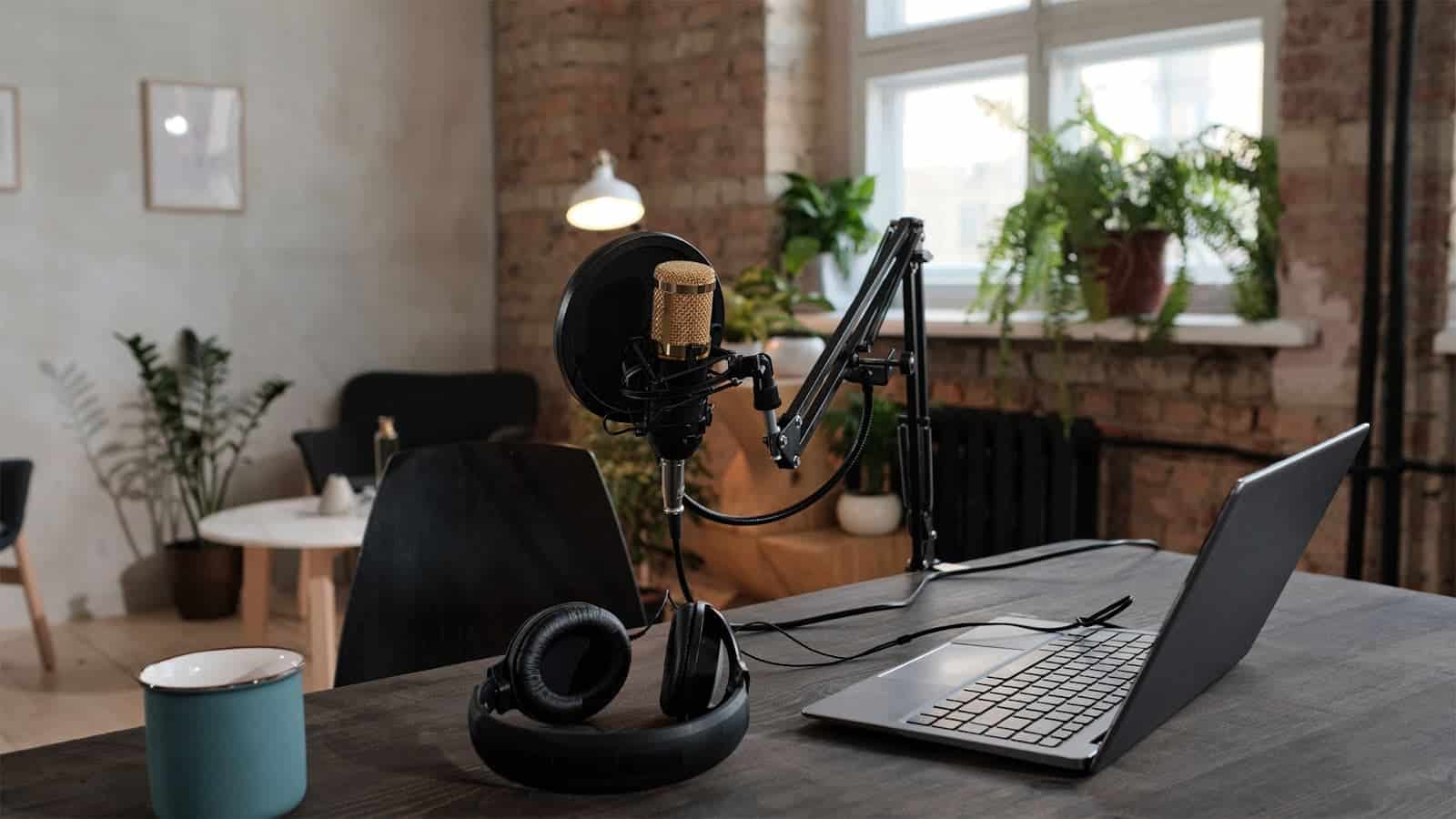
Podcast’s impact on society is undeniably huge. It’s pretty cool how it’s changing the way we consume media because it covers almost every possible niche: culture, art, science, politics, and sports. As someone who’s into pop culture, I find it fascinating to see how much it’s grown in the last decade. People are tuning in to podcasts everywhere – during their commutes, at the gym, while walking their dogs… It’s definitely shaping outlook and social norms in interesting ways!
In this article, I break down the podcast’s influence on culture and society and how they have transformed how people consume and engage with various topics.
Podcasts as a cultural phenomenon
Podcasting in the digital age is like this unstoppable wave, bringing with it a whole new way of engaging with content. Did you know that podcasts have been around since the early 2000s? But with the improvements in technology and mobile devices, they have become a cultural staple nowadays. It seems like everyone has a podcast they’re obsessed with.
This podcasting boom has shaped discussions and trends within our tech-savvy society. Certain podcasts have created dedicated fan communities that drive conversations on social media and influence pop culture dialogue. Terms like “binge-listening” have become common vernacular. Podcasts also allow niche interests and ideas to find large audiences, helping spread concepts that previously lived in obscurity.
Additionally, lines have blurred between podcasting and traditional entertainment mediums. Major networks invest in podcast production teams and snag exclusive deals with top shows. Podcasts themselves are even being adapted into TV series, films, and books as the medium gains legitimacy.
Podcasts and the home entertainment experience
Podcast listening at home provides the ultimate entertainment. Whether I’m cooking dinner, folding laundry, or lounging on the couch, I love turning on my favorite podcasts through my home audio system. And I’m clearly not alone – the rise of smart speakers shows millions of others enjoy podcasts as a cozy, domestic entertainment choice.
Good AV equipment makes all the difference in optimizing the podcast experience at home. You don’t have to splurge on the latest and greatest receivers. Plenty of affordable home theater receivers under $500 allow you to stream podcasts directly through Wi-Fi and Bluetooth. Brands like Denon, Yamaha, and Sony offer budget-friendly models packed with music streaming features, podcast apps, and good (for this type of content) sound.
Having a centralized AV receiver to manage podcast audio eliminates the need for additional speakers or wires. With just a couple of taps on the remote, I can cue up a true crime show on Spotify or a comedy podcast from my PocketCasts library. The room-filling sound makes me feel like the hosts are right there with me. When it comes to at-home relaxation, podcasts over the home theater offer entertainment that’s personal yet powerful.
The educational value of podcasts
In addition to being great entertainment, podcasts have tremendous educational value for students of all ages. More and more schools and universities are incorporating podcasts into their curriculums because they enable mobile, engaging learning. Students can reinforce complicated topics through audio lessons or learn about subjects not typically taught in traditional classrooms.
For example, NPR’s Podcast Education series explores everything from civics to personal finance using an audio format that appeals to young learners. Many teachers also assign student-created podcasts to build communication abilities. Even universities have launched lecture-based podcasts to reinforce materials for students struggling with dense textbooks.
Beyond formal education, podcasts empower lifelong learning for adults as well. Whether you want a deeper grasp of history or to learn a new skill like photography, there is likely a podcast that delivers bite-sized knowledge. I regularly tune into a science podcast that breaks down complex discoveries in a casual, conversational way. Not only is it expanding my scientific understanding, but it also provides a distraction from the everyday problems of life.

Podcasts and branding
Podcasts have become an incredibly valuable tool for companies and public figures to build their brands. As a medium consumed primarily for entertainment and education, podcasts allow brands to reach targeted audiences organically.
For example, companies will sponsor podcasts aligned with their target demographics, such as a health food company sponsoring a fitness podcast. This embedded marketing establishes expertise and familiarity with little formal advertising. Even hosting their own branded podcasts allows companies to highlight their products or thought leadership.
Beyond companies, individual influencers and experts are also launching podcasts to enhance personal branding. Public figures, from actors to activists, use podcasts to showcase authenticity and connect deeper with fans. Doctors and financial advisors establish niche podcasts to attract ideal clients in an intimate setting. Celebrities even partner with major networks to secure exclusive branding deals and huge marketing reach.
Whether building company awareness or personal authority, podcast sponsorships provide direct access to engaged, loyal listeners that traditional ads just can’t match. With targeted shows that feel like recommendations from a friend, podcast branding allows for authentic relationship-building between the brand and the consumer. As far as marketing tools go, nothing beats having your own show.